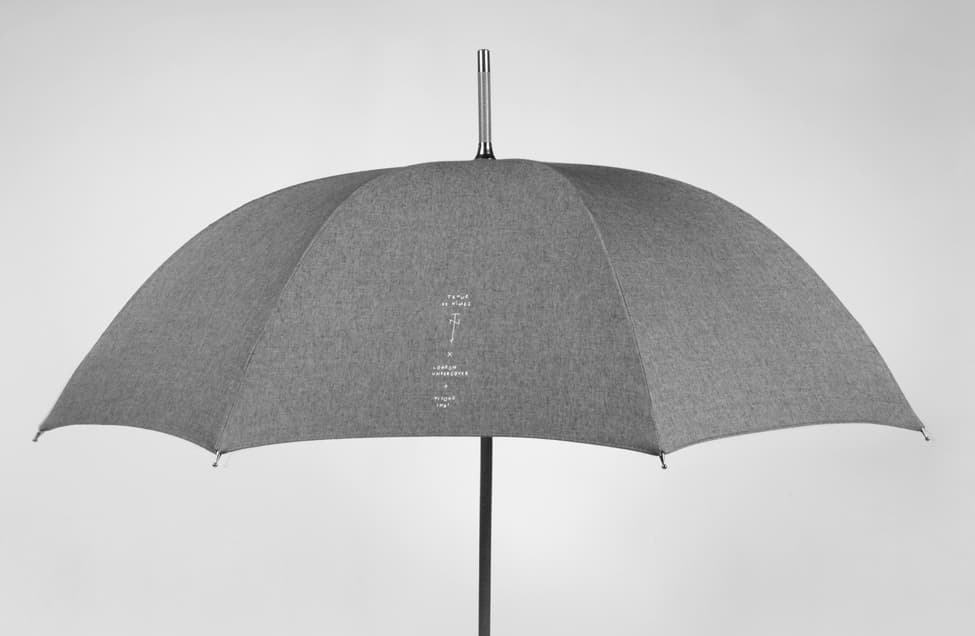
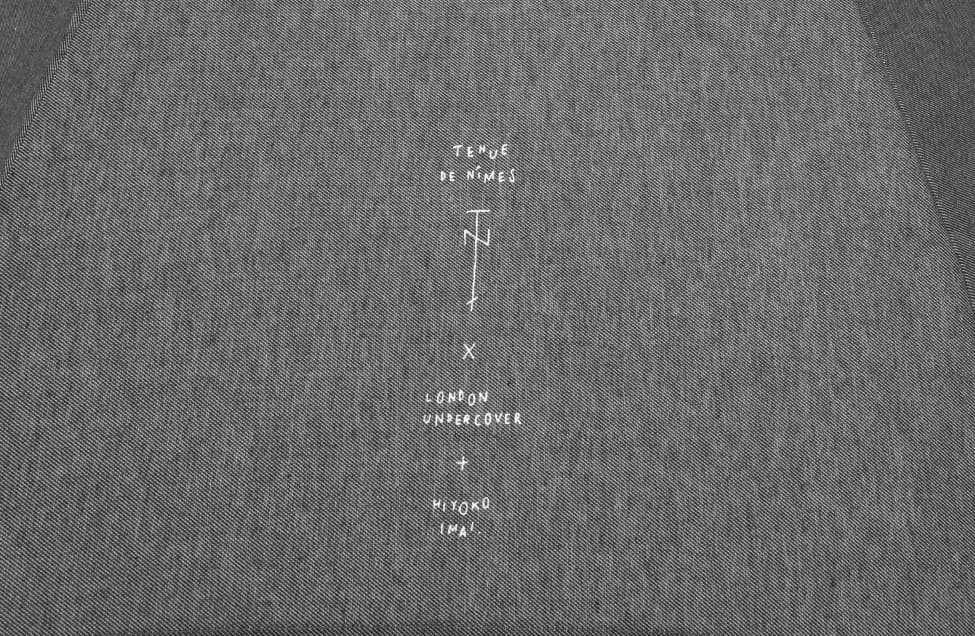
Tenue de Nîmes x London Undercover Denim Umbrella

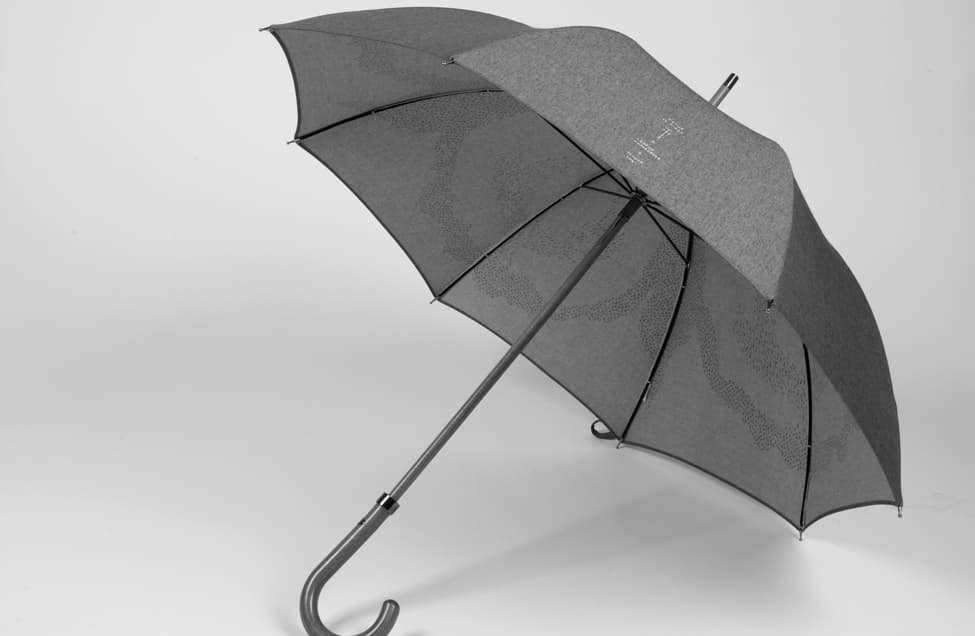
Menno from Tenue de Nîmes got in touch with us to talk about their newest project in collaboration with Umbrella makers, London Undercover.
You may have seen us work with these guys a few times in the past, and it feels good to be back at it.
This time we get a snippet from the newest Journal de Nîmes titled ‘The History of the Umbrella’, which gives a good insight into this obscure object. One we definitely take for granted, especially in Europe.
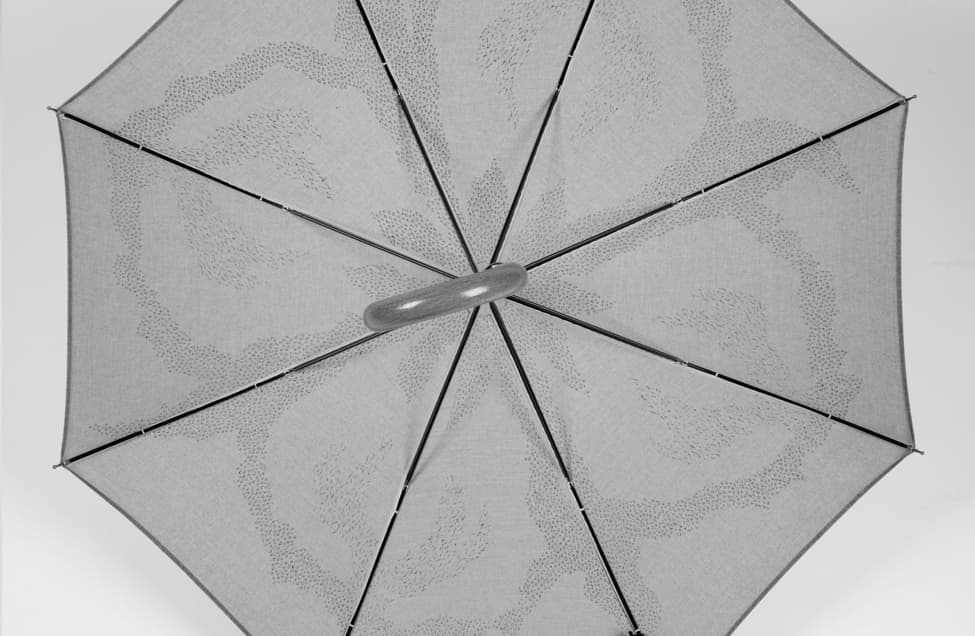
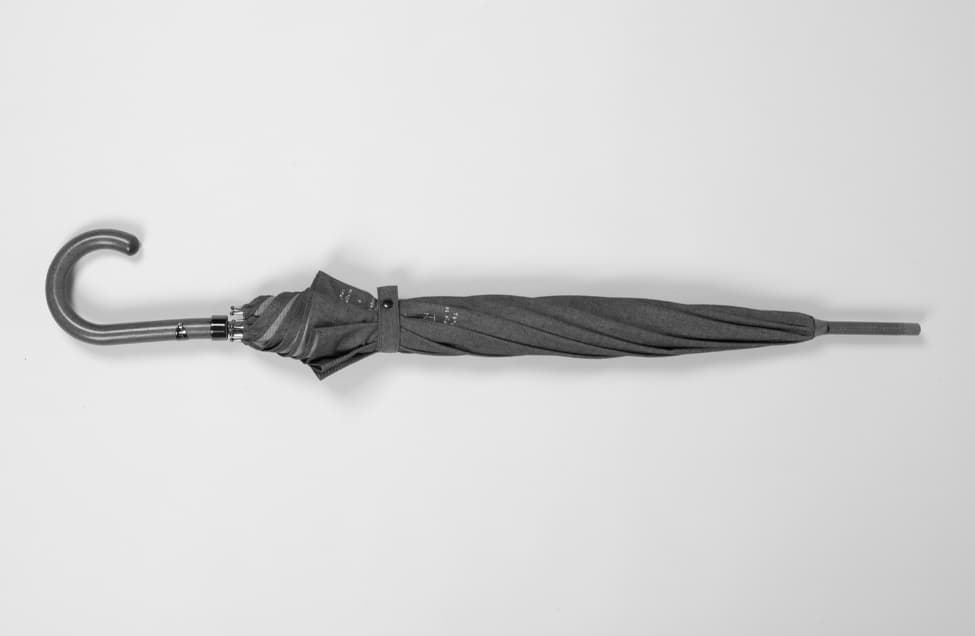
The Umbrella seen in the above slideshow is the final product that came from the collaboration. A denim Umbrella, made with natural beech woodwork inside which guides your eye to the beautifully detailed artwork on the inside.
This artwork was made by Japanese illustrator Hiyoko Imai, who is an exceptional talent.
Read on for the history of the Umbrella, and also to watch the video that was made to go alongside this project.
This accessory is now available to buy through London Undercover & Tenue de Nîmes.
HISTORY BEHIND THE UMBRELLA
The umbrella really began life as a Parasol for protection against the sun rather than the rain. The first visual reference we have, comes from carved artworks found in the Ancient cities of Nineveh (Iraq), Persepolis (Iran) and Thebes (Egypt). Numerous images were found of men protecting their king from the sun with parasols. They were a symbol of importance and regularly seen in pictorial carvings, at times above the heads of the gods.
Although parasols were always displayed open, there are signs to suggest they were made to open and close. The shape was very similar to those today and often made with tassels around the edge and embellished on top with a flower or other decorative piece. The canvas was often made of palm-leaves or coloured feathers.
There’s written evidence in an Ancient book of Chinese ceremonies of a 28 rib collapsible umbrella being attached to a ceremonial carriage around 2400 years ago. This Chinese design later made its way to Korea and Japan.
In ancient Greece, the parasol also had a religious significance, paintings regularly revealed female priests being shaded from the sun. It was here that the parasol became heavily associated with women, becoming somewhat of an accessory for ladies of fashion, partly down to their decorative nature and virgin white colour.
From Greece, the Parasol passed to Rome, still commonly used by women, many men were more than happy to shade themselves from the scorching heat, introducing skin & leather as a canvas to their Umbracululm. Although The Romans would regularly cover their auditoriums with giant awnings when rain started mid performance, they had not applied this thinking to Parasols. This was most likely down to their cost and decorative nature, which was becoming as lavish as their clothing with the use of gold, silver & silk. Subjecting it to the rain was not an option. Not ones to tone things down, the Roman’s opted out, or perhaps the idea failed to cross their minds.
The parasol eventually travelled west – still a symbol of distinction, the trend of servant carrying continued and was being used by Catholic popes and bishops. It wasn’t until the 18th Century that the people of Europe became aware of this peculiar accessory. In Italy, as the influence of the church declined, the parasol was yet again to become a fashionable accessory for women. The trend caught on very, very quickly and soon travelled north. It was the French that added waterproof fabric to protect from the rain and soon every chic Parisian was sporting one.
British Major General James Wolfe wrote home from Paris in 1752 about the parapluie, asking why on earth were the English not using them. There was however, one Englishman who was.
Jonas Hanway was a former merchant traveller who had spent much of his life travelling and setting up a number of hospitals & charities in his later life. Hanway was an eccentric and very much in the public eye. He was the first Londoner to parade the streets with an umbrella, much to the dismay of others.
The local coachmen whose business boomed when transporting people in the rain were not impressed and afraid the trend might catch on and put them out of business. Hanway was abused and laughed at by the public but refused to give in. Standing proud, he continued to promote the umbrella and eventually London took note.
The umbrellas at this point had frames made of wood or whalebone (as used in corsets) but they were expensive and hard to fold in the rain. In 1852, Samuel Fox, a wire manufacturer (not of Fox Umbrellas) invented the ‘Paragon’ umbrella frame. This was a U shape collection of ribs made with string steel. The frame was extremely strong and provided the perfect solution and the basis for the modern umbrella.
ABOUT THIS COLLABORATION
The collaboration with Tenue de Nîmes applies this same classic frame to a design of old and new. The cotton flower illustration by Hiyoko not only tells it’s own story but echos the decorative nature of age old parasols. It’s this attention to detail combined with one of our more modern materials (denim) that makes this such a truly special piece.
Made in France, the home of denim and the waterproof umbrella, this inspired accessory has come together with the effort of people from different places in the world, something that as you can see, is rather significant.
VIDEO AND ILLUSTRATION BY HIYOKO IMAI
click here to view this video in full.
Thanks to Menno for the tip off on this project. They have made an exquisite umbrella.
www.tenuedenimes.com www.londonundercover.co.uk www.hiyokoimai.com
Read Journal de Nîmes No.6 Here
“The first visual reference we have comes from carved artworks found in the ancient cities of Nineveh, Persepolis and Thebes.”